Exploring Still Life: A Classical Art Perspective
- Whatabout Craft
- 4 hours ago
- 4 min read

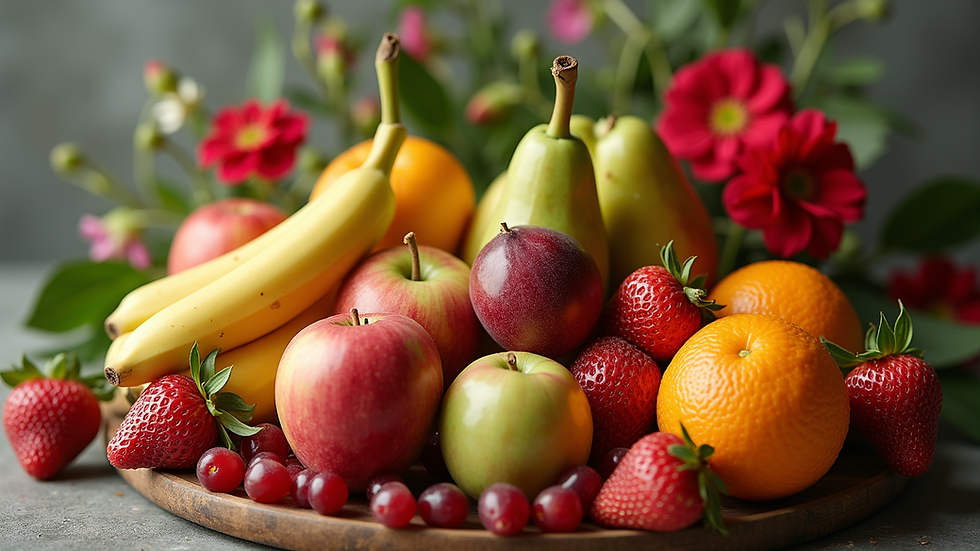
Still life painting has captivated artists and art lovers alike for centuries. This genre, often overlooked in favor of more dynamic subjects, offers a unique lens through which we can explore the intricacies of composition, color, and meaning. In this blog post, we will delve into the history, techniques, and significance of still life art, providing a comprehensive understanding of its place in the classical art world.
The Origins of Still Life
The roots of still life can be traced back to ancient civilizations. The Egyptians, for instance, created detailed tomb paintings that depicted food and objects meant to accompany the deceased in the afterlife. However, it wasn't until the Renaissance that still life began to emerge as a distinct genre in Western art.
Renaissance Influence
During the Renaissance, artists like Caravaggio and Giorgio Morandi began to experiment with still life, using it as a means to explore light, shadow, and texture. Caravaggio's dramatic use of chiaroscuro brought a new level of realism to the genre, while Morandi's minimalist compositions emphasized the beauty of everyday objects.
Baroque and Beyond
The Baroque period saw still life flourish, with artists such as Pieter Claesz and Willem Kalf creating intricate arrangements that often included symbolic elements. These works were not just about aesthetics; they conveyed deeper meanings related to mortality, abundance, and the passage of time.
Techniques in Still Life Painting
Creating a compelling still life requires a keen understanding of various artistic techniques. Here are some key elements that artists often focus on:
Composition
The arrangement of objects is crucial in still life painting. Artists often use the rule of thirds to create balance and harmony within their compositions. By strategically placing focal points, they guide the viewer's eye through the artwork.
Color Theory
Color plays a significant role in evoking emotions and setting the mood of a still life. Artists often choose a limited palette to create unity or employ contrasting colors to draw attention to specific elements. Understanding color theory can greatly enhance the impact of a still life painting.
Light and Shadow
The interplay of light and shadow can transform a simple arrangement into a captivating scene. Artists use techniques like chiaroscuro to create depth and dimension, making objects appear more three-dimensional. Observing how light interacts with different surfaces is essential for achieving realism.
Symbolism in Still Life
Still life paintings are often rich in symbolism, with each object chosen for its deeper meaning. Here are some common themes and symbols found in still life art:
Vanitas
Vanitas still lifes serve as a reminder of the transience of life. These compositions often include skulls, wilting flowers, and hourglasses, symbolizing mortality and the fleeting nature of time. Artists like Harmen Steenwyck and Pieter Claesz excelled in this genre, creating thought-provoking works that encourage reflection.
Abundance and Prosperity
Conversely, some still lifes celebrate abundance and prosperity. These works often feature lavish displays of fruits, flowers, and luxurious objects, symbolizing wealth and the pleasures of life. Artists like Jan Davidsz de Heem captured this theme beautifully, showcasing the richness of the natural world.
Famous Still Life Artists
Throughout history, many artists have made significant contributions to the still life genre. Here are a few notable figures:
Paul Cézanne
Cézanne is often regarded as a pioneer of modern art, and his still lifes played a crucial role in his artistic evolution. His unique approach to form and color laid the groundwork for future movements, including Cubism. Cézanne's still lifes, characterized by their geometric shapes and vibrant colors, continue to inspire artists today.
Georgia O'Keeffe
Known for her large-scale flower paintings, O'Keeffe's still lifes often explore the beauty of nature. Her bold use of color and form creates a sense of intimacy, inviting viewers to appreciate the intricacies of her subjects. O'Keeffe's work transcends traditional still life, merging abstraction with realism.
The Modern Interpretation of Still Life
In contemporary art, still life continues to evolve. Artists are experimenting with new materials, techniques, and concepts, pushing the boundaries of the genre. Here are some modern interpretations of still life:
Mixed Media
Many contemporary artists incorporate mixed media into their still life compositions, blending traditional painting techniques with photography, collage, and digital elements. This approach allows for greater experimentation and creativity, resulting in dynamic and thought-provoking works.
Conceptual Still Life
Some artists use still life as a means of exploring social and political themes. By incorporating everyday objects with deeper meanings, they challenge viewers to reconsider their perceptions of consumerism, identity, and culture. This conceptual approach adds layers of complexity to the genre.
Tips for Creating Your Own Still Life
If you're inspired to create your own still life artwork, here are some practical tips to get you started:
Choose Your Objects Wisely
Select a few objects that resonate with you. Consider their shapes, colors, and textures. Aim for a mix of items that complement each other while also providing visual interest.
Experiment with Composition
Play around with different arrangements before committing to a final composition. Take photos from various angles to see how the light interacts with your objects. Don't be afraid to rearrange until you find a setup that feels balanced and engaging.
Focus on Lighting
Natural light can dramatically affect the mood of your still life. Experiment with different times of day to see how the light changes. You can also use artificial light sources to create specific effects, such as dramatic shadows or soft highlights.
Practice Observation
Take time to observe your objects closely. Notice the subtle details, such as reflections, textures, and colors. This practice will help you capture the essence of your subjects in your artwork.
Conclusion
Still life painting is a timeless genre that offers a wealth of opportunities for artistic expression. By understanding its history, techniques, and symbolism, you can appreciate the depth and beauty of this art form. Whether you are an aspiring artist or simply an admirer of art, exploring still life can deepen your connection to the world around you. So gather your favorite objects, experiment with composition and light, and let your creativity flow.


Comments